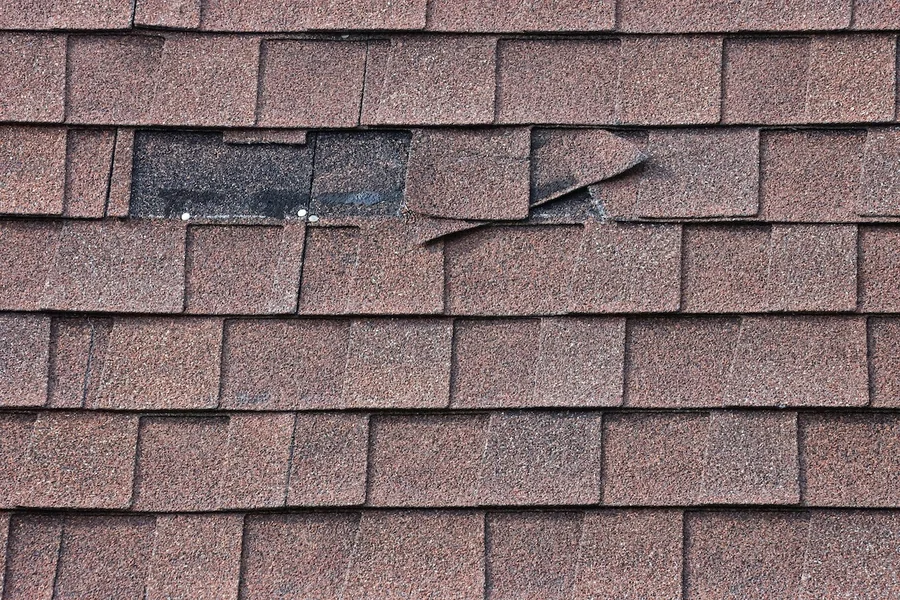
When a big storm rolls through, and the wind starts howling, your roof is the only thing standing between you and the elements. Most people think the nails do all the heavy lifting, but the secret hero of a dry home is actually the sealant strip on your shingles. If those strips fail to stick back down after a heat wave or a bout of high winds, you are looking at a countdown to a leak. If you find yourself worried about your roof’s integrity, getting a professional roof repair midway service can help identify these issues before they turn into a flooded attic. It is one of those small maintenance details that can save you thousands of dollars in the long run if you catch it early enough.
Check for Granule Loss and Debris
One of the most common reasons a shingle won’t stick back down is that the sticky surface is simply too dirty. Over time, shingles shed their protective granules. These tiny rocks act like sand on a piece of tape. If the sealant strip is covered in loose granules, dust, or dried leaves, it loses its ability to form a thermal bond. You should gently lift a loose shingle and look at the underside. If you see a thick layer of grey or black dust where the adhesive should be, that is your culprit. No amount of weight will make that shingle stay down permanently because the bond is physically blocked by debris.
Look for Thermal Cracking and Age
Shingles are not immortal. As they get older, the oils in the asphalt begin to dry out. When the asphalt gets brittle, the sealant strip loses its flexibility. You might notice that the shingles feel stiff or crunchy rather than pliable. If the roof has reached the end of its lifespan, the chemical bond in the sealant strip has likely evaporated. You can tell this is happening if the strips look shiny or glass-like instead of tacky. At this stage, the shingles have essentially “timed out” and will no longer react to the heat of the sun to create a seal.
Evaluate the Original Installation Quality
Sometimes the problem goes all the way back to the day the roof was installed. Shingles come with a plastic cellophane starter strip that is meant to stay on, but sometimes things go wrong during the process. If the shingles were installed during the dead of winter, they might not have had enough heat to ever seal in the first place. This is called cold curling. If the shingles were high-nailed, meaning the nails were placed too far up the shingles, the bottom edge does not have the proper leverage to stay flat. Without that downward pressure, the seal strip never gets the chance to meet the shingle below it.
Inspect for Wind Damage and Creasing
Wind does more than just blow shingles off the roof. Sometimes it just lifts them up high enough to break the seal without tearing the shingle away. Once that bond is broken, the shingle can flap up and down in the breeze. This creates a crease along the top of the shingle that looks like a faint line. Once a shingle has been creased, it loses its structural integrity. Even if you try to glue it back down, the “memory” of the asphalt will make it want to curl upward again. Check for those horizontal lines across the tabs to see if wind has permanently ruined the seal.
Examine the Attic Ventilation
It might sound strange to look inside your house for a roofing problem, but bad ventilation is a silent killer for shingle seals. If your attic is too hot, it can literally bake the shingles from the inside out. This is often called “cooked” roofing. Excessive heat causes the shingles to blister and the adhesive strips to become brittle or over-cured. If you walk on a roof and it feels like you are walking on potato chips, your attic is likely not breathing. Without proper airflow, even the best sealant strips will fail prematurely because they are being subjected to temperatures they were never designed to handle.
Final Word
Ignoring a few loose shingles might seem fine for a few months, but it only takes one heavy rain for that oversight to bite back. Taking the time to investigate why those strips are failing is the first step toward keeping your home dry and safe. If the job feels too big or you are not comfortable on a ladder, reaching out for a roof repair midway service is the smartest move you can make. A solid roof is the foundation of a happy home, so keep those shingles tight and the water out.