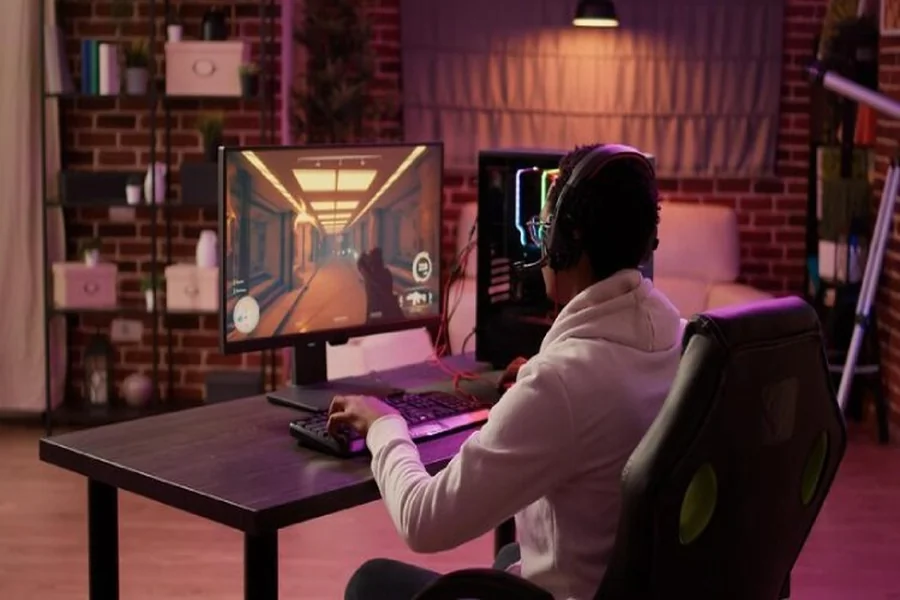
Online slot depo 1000 has emerged as one of the defining features of the digital era. What once began as simple multiplayer experiments has evolved into a global network of immersive worlds, competitive arenas, and thriving digital communities. Today, online gaming is not just about entertainment—it is about interaction, innovation, and identity.
With millions of players logging in daily, online gaming has become a central hub for connection and creativity. It reflects broader technological progress while simultaneously shaping how people communicate and collaborate in virtual environments.
The Evolution of Multiplayer Experiences
In its earliest stages, gaming was primarily a solo experience. Players navigated storylines alone, competing against computer-controlled opponents. The introduction of internet connectivity transformed this model entirely. Suddenly, players could compete against real individuals across the globe.
This shift introduced dynamic gameplay. Human opponents bring unpredictability, creativity, and adaptability that artificial intelligence cannot fully replicate. Each match or mission becomes unique, shaped by real-time decisions and interactions.
Over time, developers expanded multiplayer concepts into massive shared environments. These virtual spaces support thousands of simultaneous participants, creating ecosystems that feel alive and continuously evolving.
Persistent Worlds and Continuous Updates
Modern online games operate as living platforms rather than static products. Developers regularly introduce updates, seasonal events, and expansions that refresh gameplay and maintain player engagement.
Persistent worlds allow player actions to have lasting effects. In-game economies fluctuate, alliances form and dissolve, and new challenges emerge. This sense of continuity deepens immersion and encourages long-term commitment.
Live-service models have redefined how games are delivered. Instead of releasing a single finished version, developers now maintain ongoing digital environments that adapt and expand over time.
The Rise of Esports and Structured Competition
Online gaming has grown into a professional competitive industry known as esports. Major tournaments draw global audiences, with professional players competing for substantial prize pools and recognition.
These events are streamed live to millions of viewers, showcasing high-level strategy and skill. Competitive teams train rigorously, analyzing gameplay and refining coordination. Coaches and analysts play key roles in preparing athletes for tournaments.
Beyond professional circuits, ranked systems allow everyday players to compete at various skill levels. This structured competition fosters improvement and provides a sense of progression.
Esports has demonstrated that online gaming can rival traditional sports in terms of organization, audience engagement, and cultural significance.
Community as the Core
One of the most powerful elements of online gaming is its community-driven nature. Players form guilds, clans, and alliances to pursue shared goals. Communication tools such as voice chat and messaging systems strengthen collaboration.
These communities often extend beyond the game itself. Social media groups, discussion forums, and streaming platforms allow players to connect and share experiences. Friendships built in virtual spaces can become meaningful parts of real-world social networks.
Online gaming also enables cross-cultural interaction. Individuals from different regions and backgrounds collaborate within shared environments, promoting global connectivity.
Technology as a Catalyst
The growth of online gaming is closely tied to technological advancement. High-speed internet ensures smooth multiplayer interactions with minimal delay. Advanced graphics engines deliver visually rich environments that enhance immersion.
Cloud computing allows games to be streamed from remote servers, reducing hardware requirements. This accessibility expands the potential audience and democratizes participation.
Virtual reality introduces deeper immersion by placing players directly within digital spaces. Motion tracking and spatial audio enhance realism, creating more engaging interactions.
Artificial intelligence improves matchmaking systems, balancing competition and ensuring fair gameplay. AI-driven non-player characters add complexity and depth to virtual worlds.
As technology continues to progress, online gaming experiences are becoming more seamless and sophisticated.
Digital Economies and Monetization
Online slot depo 5k supports a complex economic ecosystem. Developers utilize various revenue models, including subscriptions, in-game purchases, downloadable content, and cosmetic customization options.
Virtual economies within games allow players to trade digital items, enhancing engagement and personalization. Limited-edition assets and seasonal rewards create excitement and maintain player interest.
The financial impact of online gaming extends beyond development studios. Streaming platforms, sponsorship deals, and esports events contribute significantly to the broader industry.
This economic infrastructure demonstrates the industry’s maturity and sustainability.
Cognitive Engagement and Skill Development
Online gaming often demands strategic thinking and rapid decision-making. Team-based formats encourage collaboration, communication, and leadership.
Players may develop:
- Improved hand-eye coordination
- Enhanced problem-solving abilities
- Stronger teamwork skills
- Greater adaptability under pressure
Competitive environments challenge individuals to analyze patterns, anticipate opponents’ actions, and adjust strategies quickly. When approached responsibly, gaming can provide mental stimulation and skill development.
Addressing Challenges
Despite its growth, online gaming faces challenges that require ongoing attention. Cybersecurity remains a priority, as protecting user data and preventing unauthorized access is essential.
Maintaining positive community behavior is another concern. Reporting systems and moderation tools help reduce harmful interactions and foster respectful environments.
Encouraging balanced gaming habits is equally important. Healthy time management ensures that online gaming remains an enriching activity rather than a disruptive one.
Cultural Influence and Media Integration
Online gaming has become deeply embedded in global culture. Major tournaments receive widespread media coverage, and gaming themes appear in films, music, and fashion.
Virtual events hosted within games demonstrate how digital platforms can serve as interactive entertainment venues. Influencers and content creators shape trends and introduce new audiences to emerging titles.
The cultural integration of online gaming reflects its transition from niche hobby to mainstream phenomenon.
Looking Forward
The future of online gaming promises even greater immersion and connectivity. Emerging technologies may enable interconnected virtual spaces that blend gaming with social networking and commerce.
Improved artificial intelligence could create adaptive environments that respond intelligently to player behavior. Enhanced graphics and network capabilities will further narrow the gap between digital and physical experiences.
As innovation continues, online gaming will likely remain at the forefront of digital entertainment, shaping how people interact, compete, and collaborate in virtual spaces.
Conclusion
Online gaming has revolutionized entertainment by merging technology, competition, and community into a single interactive platform. Its persistent worlds, competitive ecosystems, and vibrant social networks illustrate the power of connectivity in the digital age.
From casual mobile matches to global esports tournaments, online gaming continues to redefine play. As technology advances and communities expand, this revolution shows no signs of slowing down—solidifying online gaming as one of the most influential forces in modern culture.