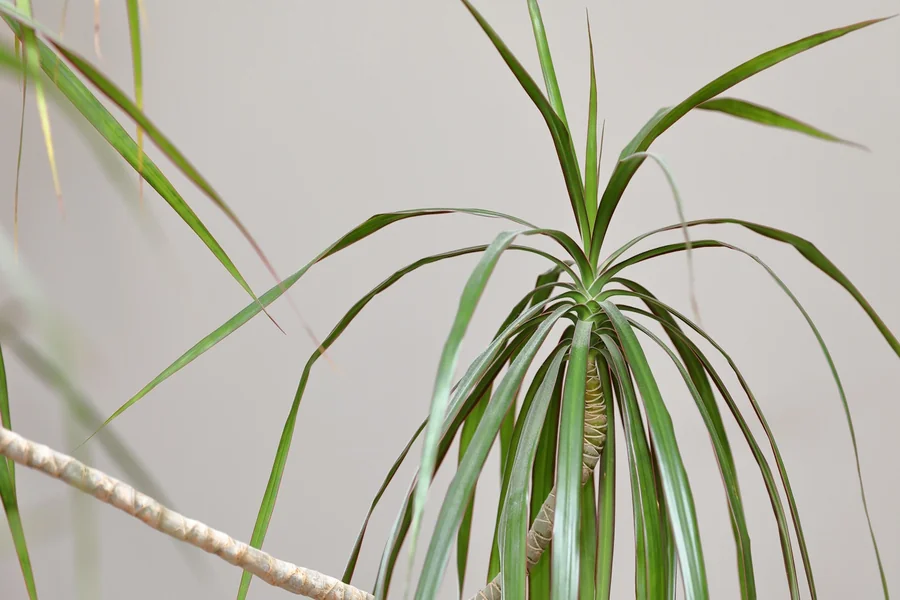
The Dragon Tree, scientifically known as Dracaena draco, is not just a striking addition to your indoor or outdoor space; it’s also a plant that boasts fascinating characteristics and easy-care requirements. Whether you’re a seasoned gardener or a novice plant enthusiast, knowing how to care for a Dragon Tree can elevate your gardening game. In this comprehensive guide, we will explore everything you need to know to keep your Dragon Tree healthy and thriving.
Understanding the Dragon Tree
The Dragon Tree is renowned for its unique, architectural beauty, featuring a thick, grey trunk and a dramatic, umbrella-shaped canopy that can reach impressive heights over the years. Native to the Canary Islands, this evergreen tree is not just eye-catching; it’s also remarkably resilient, thriving in a variety of conditions.
Why Choose a Dragon Tree?
- Aesthetic Appeal: Its sculptural form adds a bold statement to any garden or indoor setting.
- Low Maintenance: Ideal for those who may not have a green thumb, as it requires minimal care.
- Drought Resistant: This plant thrives in arid conditions, making it perfect for dry climates.
Unique Features of the Dragon Tree
- Longevity: Some specimens can live for centuries, making it a long-term investment for your garden or home.
- Cultural Significance: In various cultures, the Dragon Tree is considered a symbol of strength and resilience.
- Medicinal Uses: Historically, the resin from the Dragon Tree has been used for its medicinal properties.
The Dragon Tree is a popular choice among plant enthusiasts for these reasons, and learning how to care for it effectively can enhance your gardening experience.
Basic Care Guidelines for Your Dragon Tree
Caring for a dragon tree involves understanding its needs in terms of light, water, soil, and fertilization. Let’s break these down.
1. Light Requirements
Dragon Trees prefer bright, indirect light. Here are some tips to ensure your plant gets the right amount of light:
- Indoor Placement: Position your Dragon Tree near a window that receives filtered sunlight for several hours a day.
- Outdoor Placement: If you’re planting it outdoors, choose a spot that gets partial shade, especially during the hottest part of the day.
2. Watering
One of the key factors in keeping your Dragon Tree healthy is the right watering routine:
- Frequency: Water deeply but infrequently. Allow the top inch of soil to dry out completely before watering again. This usually translates to watering every 2-3 weeks.
- Overwatering: Be cautious not to overwater, as this can lead to root rot. Always check the soil moisture before applying more water.
3. Soil Type
The Dragon Tree thrives in well-draining soil. Here’s what you should consider:
- Soil Mix: Use a cactus or succulent potting mix, or create your own by mixing regular potting soil with sand or perlite.
- Drainage: Ensure that your pot has drainage holes to prevent water from accumulating at the bottom.
4. Fertilization
While Dragon Trees don’t require heavy fertilization, a little extra nutrition can help them flourish:
- Type of Fertilizer: Use a balanced, slow-release fertilizer during the growing season (spring and summer).
- Frequency: Fertilize every 4-6 weeks, but reduce frequency in the fall and winter when the plant’s growth slows down.
5. Temperature and Humidity
Dragon Trees are adaptable to various conditions, but they thrive best in specific temperature ranges:
- Ideal Temperature: They prefer temperatures between 65°F and 80°F (18°C to 27°C).
- Humidity: Although they can tolerate low humidity, providing moderate humidity can promote better growth.
Common Issues and Solutions
Even with the best care, you may encounter some challenges while growing your clover Dragon Tree. Here are common problems and how to address them:
1. Yellowing Leaves
If you notice yellowing leaves, it could be a sign of overwatering or poor drainage.
- Solution: Check the soil moisture and ensure the pot has adequate drainage. If overwatered, allow the soil to dry out and reduce watering frequency.
2. Leaf Drop
Leaf drop can occur due to sudden changes in temperature or light conditions.
- Solution: Maintain a stable environment for your Dragon Tree, avoiding drafts and placing it in a consistent light spot. Gradually acclimate the plant to new lighting conditions.
3. Pests
While Dragon Trees are relatively pest-resistant, they can still attract mealybugs and spider mites.
- Solution: Use neem oil or insecticidal soap to treat infestations. Always check your plants regularly for signs of pests, especially during the growing season.
4. Brown Leaf Tips
Brown tips on leaves can indicate low humidity or underwatering.
- Solution: Increase humidity around the plant by misting it or placing it on a pebble tray filled with water. Ensure that you’re watering adequately but not excessively.
Propagation of the Dragon Tree
If you’re interested in expanding your collection, propagating a Dragon Tree is quite simple:
1. Leaf Cuttings
You can propagate your Dragon Tree using leaf cuttings. Here’s how:
- Step 1: Cut a healthy leaf from the plant.
- Step 2: Allow the cutting to dry for a few hours to form a callus.
- Step 3: Place the cutting in well-draining soil and water lightly.
2. Offsets
Dragon Trees can also produce offsets—small plants that grow at the base of the main tree.
- Step 1: Carefully separate the offset from the parent plant, ensuring some roots are attached.
- Step 2: Plant it in a pot with similar soil conditions, and water lightly.
3. Seed Propagation
While less common, Dragon Trees can also be grown from seeds.
- Step 1: Obtain seeds and plant them in well-draining soil.
- Step 2: Keep the soil moist but not soggy, and place the pot in a warm location with indirect light.
Using Dragon Trees in Landscaping
Dragon Trees are versatile and can be used in various landscaping designs:
1. Feature Tree
Use a Dragon Tree as a focal point in your garden. Its unique shape draws the eye and makes a stunning statement. It works particularly well in modern landscapes, where its architectural form can contrast beautifully with softer plants.
2. Privacy Screens
Plant several Dragon Trees in a row for an effective privacy screen. Their height and dense canopies can help create a secluded space, making them ideal for patios and backyards. If you want a more lush look, combine them with other evergreen species.
3. Poolside Planting
The Dragon Tree’s drought resistance makes it a perfect choice for poolside landscaping. Its ability to withstand reflected heat from the sun means it can thrive in challenging conditions while adding an exotic touch to your outdoor area.
4. Container Gardening
Dragon Trees are also excellent candidates for container gardening. They can be placed in decorative pots to enhance patios, balconies, or indoor spaces. Choose larger pots to accommodate their growth and ensure proper drainage.
Seasonal Care Tips
The care requirements for your Dragon Tree can vary with the seasons. Here’s how to adjust your care routine throughout the year:
Spring
- Repotting: If your Dragon Tree has outgrown its pot, consider repotting in the spring.
- Fertilizing: Begin fertilizing every 4-6 weeks as the plant enters its active growth period.
Summer
- Watering: Increase watering frequency during the hot summer months, especially if it’s placed outdoors.
- Pest Monitoring: Keep an eye out for pests, as warmer weather can bring them out.
Fall
- Reduce Watering: As temperatures cool, reduce watering as the plant’s growth slows.
- Fertilizing: Stop fertilizing by late fall to prepare the plant for dormancy.
Winter
- Temperature Protection: If your Dragon Tree is outdoors, ensure it is protected from frost. Consider bringing it indoors if temperatures drop significantly.
- Humidity: Indoor heating can lower humidity levels. Consider using a humidifier or placing the plant on a pebble tray with water.
Myths and Facts About Dragon Trees
As with many plants, there are numerous myths surrounding the Dragon Tree. Let’s clarify some common misconceptions:
Myth 1: Dragon Trees Are Hard to Care For
Fact: Dragon Trees are actually low-maintenance and perfect for beginners. With the right conditions, they thrive with minimal effort.
Myth 2: They Cannot Grow Indoors
Fact: Dragon Trees can flourish indoors as long as they receive adequate light and care. They are popular houseplants in many homes.
Myth 3: They Are Toxic to Pets
Fact: Dragon Trees are considered non-toxic to pets, making them a safe choice for households with animals.
Conclusion
Caring for a Dragon Tree can be a rewarding experience, offering both beauty and ease of maintenance. By understanding its needs for light, water, soil, and temperature, you can create an ideal environment for this magnificent plant. Whether you’re adding it to your indoor collection or incorporating it into your outdoor landscape, the Dragon Tree is sure to impress.